
In today’s rapidly evolving business landscape, organizations face an unprecedented challenge: accessing top-tier marketing expertise while maintaining operational flexibility and cost efficiency. Fractional Marketing Services have emerged as the strategic solution, transforming how businesses approach marketing leadership and execution in an era of constrained budgets and accelerated growth expectations.
Understanding Fractional Marketing Services
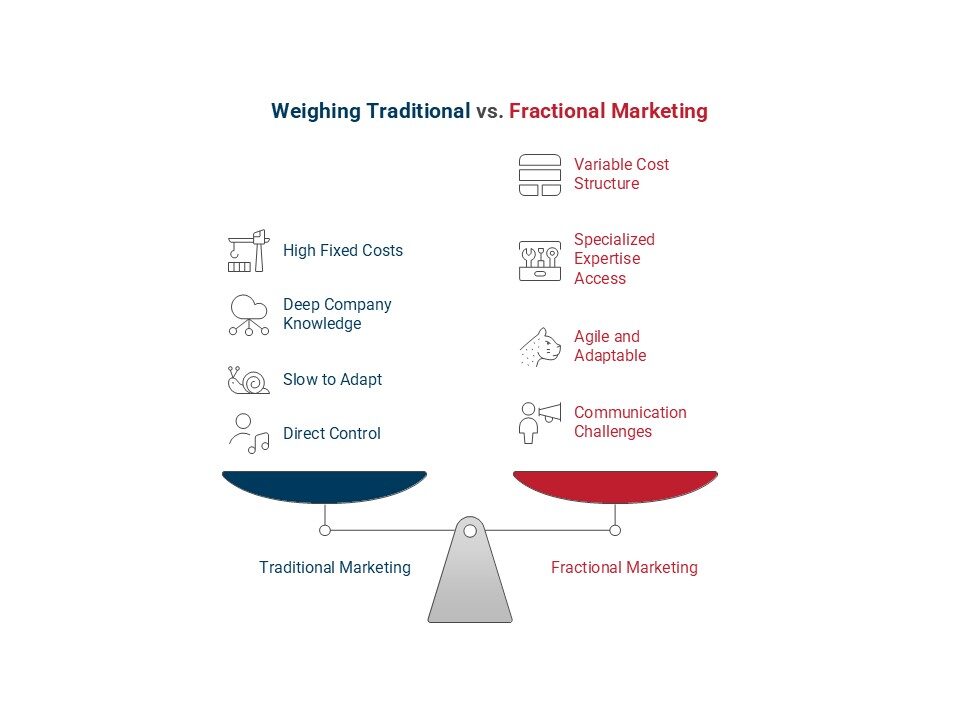
Fractional Marketing Services represent a paradigm shift from traditional marketing models, offering businesses access to senior-level marketing expertise on a part-time, project-based, or retainer basis. This approach provides the strategic thinking and execution capabilities of a full marketing department at a fraction of the cost and commitment of permanent hires.
According to a 2022 Workforce Institute Survey, 64% of marketing leaders already leverage flexible on-demand talent for strategic priorities, with 33% planning to increase future fractional hiring. Forrester projects enterprise adoption of fractional models will rise to over 50% by 2025, demonstrating the accelerating shift toward flexible marketing solutions.
The fractional model addresses a critical market need: businesses require sophisticated marketing strategies and execution capabilities, but may not have the budget, workload, or organizational structure to justify full-time senior marketing hires. This creates an opportunity for specialized agencies to deliver high-impact marketing services with unprecedented flexibility and cost-effectiveness.
The Strategic Business Case for Fractional Marketing
Financial Performance and ROI
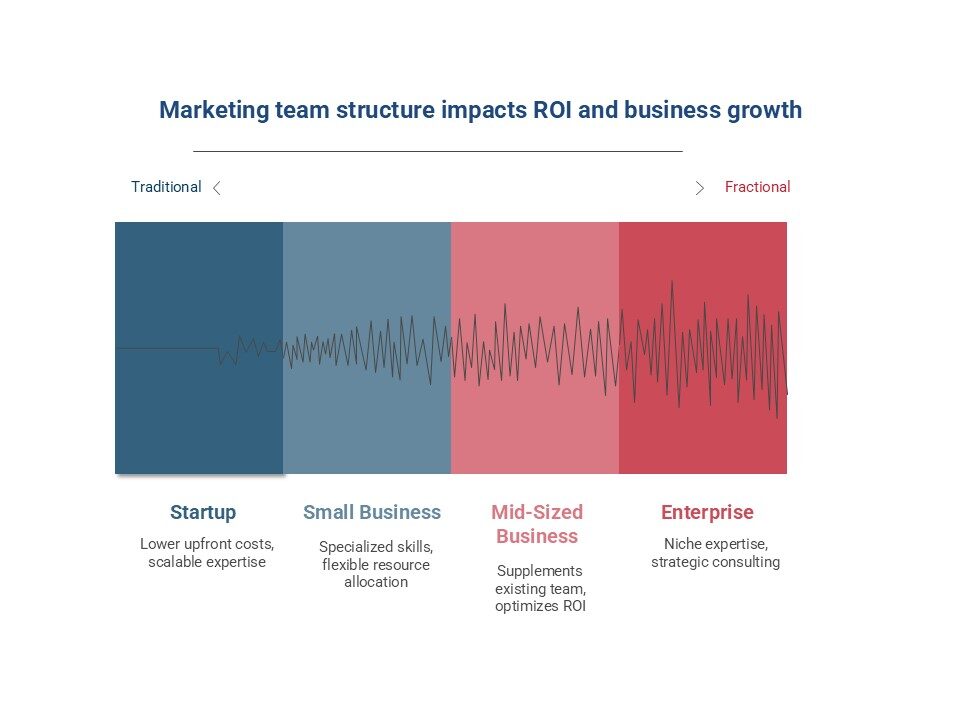
The financial benefits of fractional marketing services extend far beyond simple cost savings. A Harvard Business Review study revealed that companies engaging fractional CMOs experienced an average revenue growth rate of 29% compared to 19% for those without, demonstrating the direct correlation between strategic marketing leadership and business performance.
According to a PwC study from early 2024, 57% of UK companies observed an increase in marketing ROI after implementing a fractional marketing strategy. Additionally, Forbes analysis shows firms that replace ad-hoc tactics with strategic fractional CMO leadership often see 25-35% higher marketing ROI within 12 months.
The cost structure advantages are equally compelling. A $250K/year fractional CMO working 2 days per week provides equivalent output to a traditional CMO working 1 day per week, yet costs just 25% as much as the $500K+ all-in costs of hiring that CMO full-time when factoring equity, benefits, and team overhead.
Market Response to Economic Pressures
Current economic conditions have accelerated the adoption of fractional marketing models. Marketing budgets as a percentage of company revenue fell by 15% in 2024, highlighting a shift towards leaner, more cost-effective leadership models according to the Gartner 2024 CMO Spend Survey.
This budget compression hasn’t diminished the need for sophisticated marketing strategy—instead, it has created demand for more efficient delivery models that maximize impact per dollar invested.
Core Components of Fractional Marketing Services
Strategic Marketing Leadership
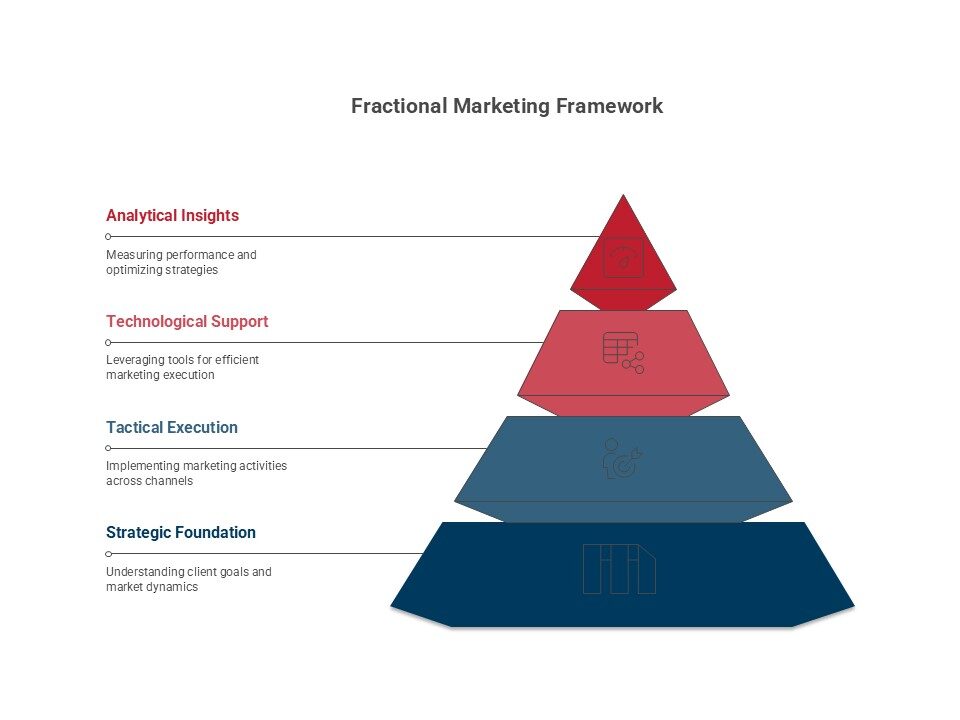
At the heart of fractional marketing services is access to C-level strategic thinking without C-level overhead. This includes market analysis, competitive positioning, brand strategy development, and go-to-market planning. Fractional marketing leaders bring cross-industry experience and proven frameworks that internal teams may lack.
Strategic leadership also encompasses organizational development, helping businesses build internal marketing capabilities while providing external expertise for complex initiatives or specialized campaigns.
Tactical Execution and Campaign Management
Beyond strategy, fractional marketing services include hands-on execution across multiple channels and disciplines. This might encompass digital marketing, content creation, public relations, event marketing, and sales enablement. The fractional model allows businesses to access specialized expertise in each area without maintaining large internal teams.
The tactical component is particularly valuable for businesses experiencing rapid growth or market changes, as fractional providers can quickly scale execution capabilities up or down based on business needs.
Technology Integration and MarTech Optimization
Modern marketing requires sophisticated technology stacks, but many businesses lack the expertise to select, implement, and optimize marketing technology effectively. Fractional marketing services include technology strategy, vendor selection, implementation support, and ongoing optimization.
This technology focus is increasingly critical as 68% of marketers believe their company will compete primarily on customer experience by 2025 according to IBM research, requiring sophisticated systems for personalization, automation, and customer journey orchestration.
Performance Measurement and Analytics
Fractional marketing services emphasize data-driven decision making and continuous optimization. This includes establishing key performance indicators, implementing measurement frameworks, and providing regular reporting and insights that inform strategic decisions.
The analytical component ensures that marketing investments are optimized for maximum ROI and that strategies can be adjusted quickly based on performance data and market feedback.
Implementation Models and Service Structures
Fractional CMO and Strategic Leadership
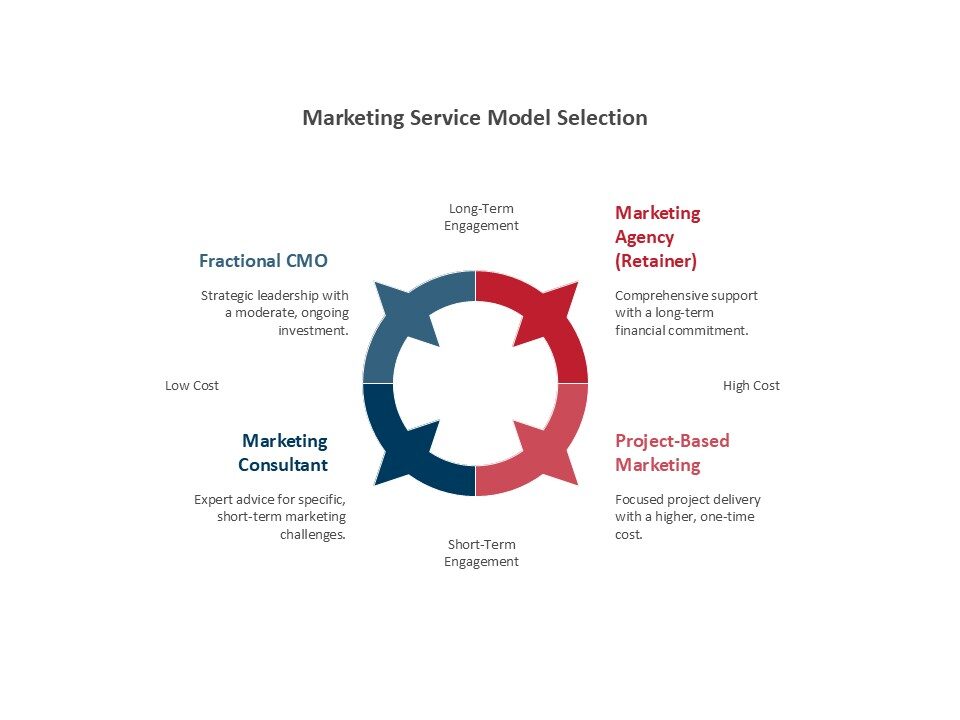
The fractional CMO model provides senior marketing leadership on a part-time basis, typically involving 1-3 days per week of dedicated time. This arrangement gives businesses access to executive-level marketing strategy and leadership without the full-time commitment and costs.
Fractional CMOs often work with existing internal teams, providing strategic direction, professional development, and execution oversight. They may also coordinate external vendors and agencies, serving as the central marketing leader for the organization.
Project-Based Fractional Services
For businesses with specific marketing initiatives or time-limited campaigns, project-based fractional services provide intensive expertise for defined periods. This might include product launches, rebranding initiatives, market expansion campaigns, or digital transformation projects.
Project-based engagements typically involve dedicated teams working intensively for defined periods, with clear deliverables and success metrics established upfront.
Retainer-Based Ongoing Support
Retainer arrangements provide ongoing marketing support at predictable monthly costs. This model works well for businesses needing consistent marketing activity but lacking the workload or budget for full-time staff.
Retainer services often include a combination of strategic planning, tactical execution, and ongoing optimization, with service levels scaled to match business needs and budget constraints.
Hybrid Internal-External Models
Many successful fractional marketing arrangements combine internal team members with external fractional resources. This hybrid approach leverages internal knowledge and relationships while adding external expertise and capacity as needed.
Overcoming Implementation Challenges
Integration with Existing Teams and Processes
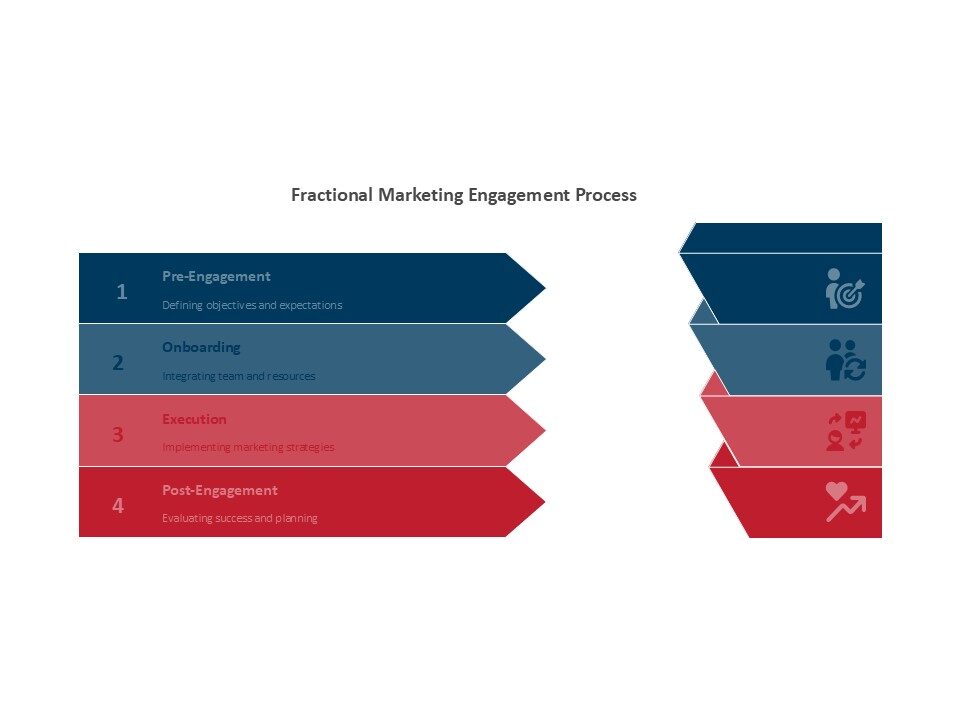
One of the primary concerns businesses have about fractional marketing services is how external resources will integrate with existing teams and processes. Success requires clear communication protocols, defined roles and responsibilities, and regular coordination meetings.
Effective fractional marketing providers invest significant effort in understanding client culture, processes, and objectives, ensuring seamless integration rather than disruption of existing operations.
Maintaining Strategic Continuity
Businesses worry that fractional arrangements might lack the continuity of full-time employees. However, professional fractional marketing providers typically maintain longer client relationships than traditional employees, with many engagements lasting multiple years.
The key is establishing clear documentation, process standardization, and knowledge transfer protocols that ensure continuity regardless of personnel changes.
Measuring and Optimizing Performance
Unlike traditional employment arrangements, fractional marketing services require more sophisticated performance measurement approaches. Success metrics must be clearly defined upfront, with regular review cycles and optimization opportunities built into the engagement structure.
The most successful fractional marketing relationships include detailed reporting frameworks, regular performance reviews, and continuous optimization based on results and changing business needs.
Industry Trends and Future Outlook
Growing Market Adoption
Current research shows that 9% of respondents are either currently working with or planning to work with a fractional CMO in the next 12 months, while 25% of US businesses have adopted fractional hiring overall, with this percentage expected to increase to 35% by 2025.
This growth trajectory reflects fundamental shifts in how businesses approach talent acquisition and organizational structure, with flexibility, expertise, and cost efficiency taking priority over traditional employment models.
Technology-Enabled Service Delivery
Advances in collaboration technology, project management platforms, and marketing automation are making fractional marketing services more effective and efficient. Remote work capabilities enable access to global talent pools while digital collaboration tools facilitate seamless teamwork across locations and time zones.
Specialization and Niche Expertise
The fractional marketing landscape is evolving toward increased specialization, with providers developing deep expertise in specific industries, marketing disciplines, or business situations. This specialization enables more targeted, effective services while allowing providers to command premium pricing for specialized knowledge.
Integration with Broader Business Strategy
Modern fractional marketing services are increasingly integrated with broader business strategy, working closely with leadership teams, sales organizations, and product development groups to ensure marketing initiatives support overall business objectives.
Selecting the Right Fractional Marketing Partner
Evaluating Experience and Expertise
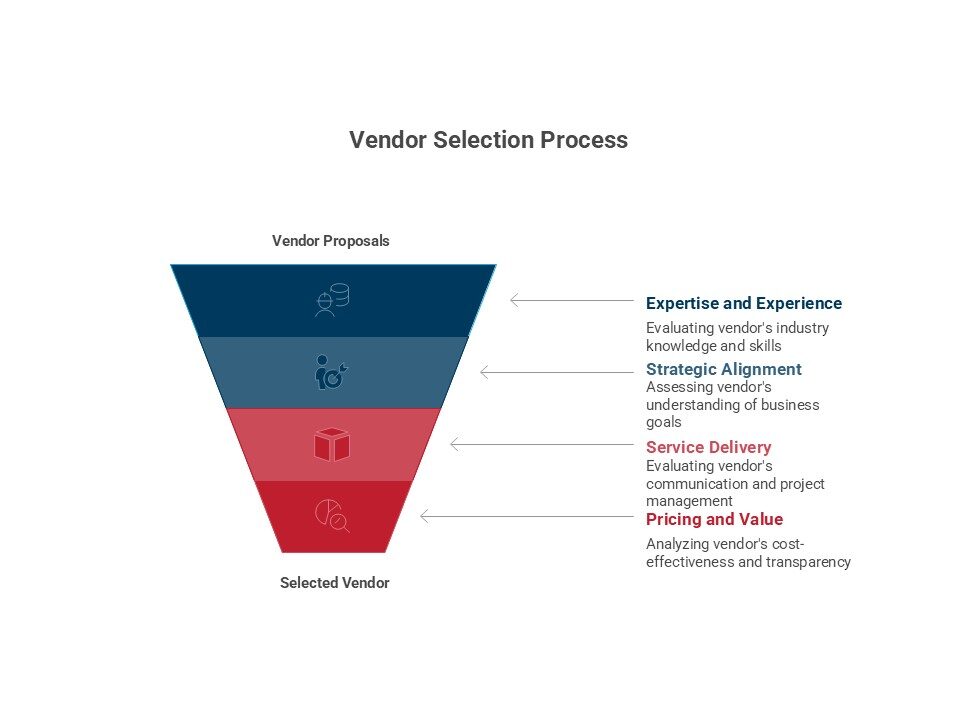
When selecting a fractional marketing services provider, businesses should prioritize relevant experience, proven results, and cultural fit over lowest cost. The most effective partnerships combine deep marketing expertise with industry knowledge and demonstrated success with similar businesses.
References, case studies, and portfolio examples provide insight into provider capabilities, while cultural fit ensures effective collaboration and communication throughout the engagement.
Defining Success Metrics and Expectations
Clear success metrics and expectations are essential for effective fractional marketing relationships. These should include both quantitative measures (revenue growth, lead generation, conversion rates) and qualitative factors (strategic insight, team development, process improvement).
Regular review cycles and optimization opportunities should be built into the engagement structure, ensuring continuous improvement and adaptation to changing business needs.
Establishing Communication and Collaboration Protocols
Effective fractional marketing engagements require structured communication and collaboration protocols. This includes regular meeting schedules, reporting frameworks, project management systems, and escalation procedures for issues or opportunities.
The goal is to create seamless integration between fractional resources and internal teams, ensuring all stakeholders remain aligned and informed throughout the engagement.
Maximizing ROI from Fractional Marketing Investments
Strategic Alignment and Goal Setting
The most successful fractional marketing engagements begin with clear strategic alignment and specific, measurable goals. This includes understanding business objectives, competitive positioning, target market dynamics, and growth aspirations.
Well-defined goals enable fractional marketing providers to focus their efforts on the highest-impact activities while providing clear benchmarks for measuring success and optimizing performance.
Resource Optimization and Efficiency
Fractional marketing services excel when they can leverage existing resources and capabilities while adding strategic expertise and execution capacity. This requires careful assessment of current marketing assets, team capabilities, and process effectiveness.
The most effective arrangements identify opportunities to optimize existing investments while adding new capabilities that drive incremental growth and competitive advantage.
Continuous Learning and Capability Building
Forward-thinking businesses use fractional marketing engagements as opportunities to build internal capabilities and knowledge. This includes professional development for existing team members, process documentation and standardization, and knowledge transfer protocols.
The goal is to create lasting value that extends beyond the immediate engagement, building organizational marketing capabilities that support long-term growth and success.
Getting Started: Your Fractional Marketing Journey
Implementing fractional marketing services requires careful planning and realistic expectations, but the benefits can be transformational for businesses seeking to accelerate growth while maintaining operational flexibility.
Begin by conducting a thorough assessment of your current marketing capabilities, challenges, and objectives. This assessment should identify specific areas where fractional expertise could have the greatest impact while considering budget constraints and organizational readiness.
Consider starting with a focused pilot engagement that addresses a specific challenge or opportunity. This approach allows you to experience the fractional model while demonstrating value to internal stakeholders and building confidence in the approach.
Success with fractional marketing services depends on clear communication, realistic expectations, and commitment from both parties to the partnership’s success. Organizations that approach fractional marketing strategically and systematically position themselves for accelerated growth and sustained competitive advantage.
Additional Resources
For deeper insights into fractional marketing services and implementation best practices:
- Fast Company: Why Fractional Marketing Is on the Rise – Industry analysis of fractional marketing trends and growth drivers
- The Complete Guide to Fractional Marketing – OrangeOwl – Comprehensive implementation guide with ROI statistics
- Forbes Analysis: Fractional CMO ROI Research – Data on marketing ROI improvements from fractional leadership
- Gartner 2024 CMO Spend Survey – Marketing budget trends driving fractional adoption
- Harvard Business Review: Fractional CMO Impact Study – Revenue growth statistics for fractional marketing engagements
- 2024 State of Fractional CMO Engagement Study – Market adoption trends and insights
Ready to accelerate your marketing growth? Contact our team to discuss how fractional marketing services can drive results while optimizing your marketing investments for maximum ROI.
Main: (240) 242-5650
Cell: (301) 661-4018