
The Strategic Power of Personalized Client Marketing Dashboards: Transforming Data Into Actionable Insights
In an era where marketing budgets face unprecedented scrutiny and 83% of marketing leaders now consider demonstrating ROI as their top priority, the ability to present clear, actionable insights has become a competitive necessity. Generic reporting solutions and one-size-fits-all analytics platforms are no longer sufficient for businesses that need to justify every marketing dollar and optimize performance in real-time.
Personalized client marketing dashboards represent the evolution from traditional reporting to strategic intelligence systems. These custom-built platforms transform complex data streams into intuitive, client-specific visualizations that drive informed decision-making and measurable business outcomes.
The Data Visualization Imperative
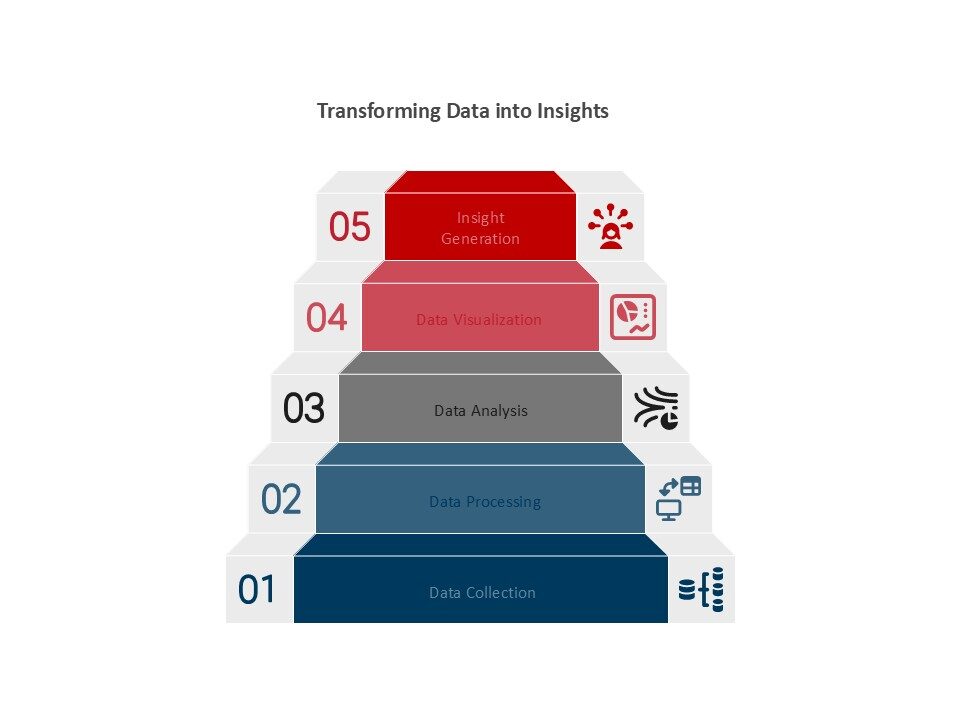
Modern marketing generates an overwhelming volume of data across multiple channels, platforms, and touchpoints. 30.55% of marketers said data helps determine their most effective marketing strategies, 29.59% said it improves ROI, and 27.36% said it helps reach their target audience more effectively. However, raw data without proper visualization and contextualization remains largely unusable for strategic decision-making.
The challenge isn’t accessing data—it’s transforming that data into meaningful insights that align with specific business objectives and stakeholder requirements. The industry is expected to reach $19.20 billion by 2027, reflecting its growth, indicating the critical importance organizations place on effective data visualization solutions.
What Makes a Marketing Dashboard “Personalized”
Traditional dashboard solutions often force businesses to adapt their reporting needs to predefined templates and limited customization options. Personalized client marketing dashboards take the opposite approach, built from the ground up to reflect each client’s unique:
Business Objectives and KPIs
Every organization has distinct success metrics. A B2B SaaS company tracking customer acquisition cost and lifetime value requires fundamentally different visualizations than an e-commerce retailer focused on conversion rates and average order value. Personalized dashboards align every metric, chart, and data point with the client’s specific definition of success.
Stakeholder Requirements
C-suite executives need high-level performance summaries with trend analysis, while marketing managers require granular campaign data and optimization opportunities. A marketing dashboard is a centralized interface that visualizes key performance metrics across marketing channels, campaigns, and platforms. Personalized dashboards present the same underlying data through multiple lenses, ensuring each stakeholder receives information formatted for their decision-making needs.
Industry Context and Competitive Landscape
Marketing performance exists within industry-specific contexts. Conversion rates, engagement metrics, and customer acquisition costs vary dramatically across sectors. Personalized dashboards incorporate industry benchmarks and competitive intelligence to provide meaningful context for performance evaluation.
Workflow Integration
Effective dashboards integrate seamlessly into existing business processes and decision-making workflows. This includes custom alert systems, automated reporting schedules, and integration with existing business intelligence tools and platforms.
Core Components of Effective Personalized Dashboards
Real-Time Performance Monitoring
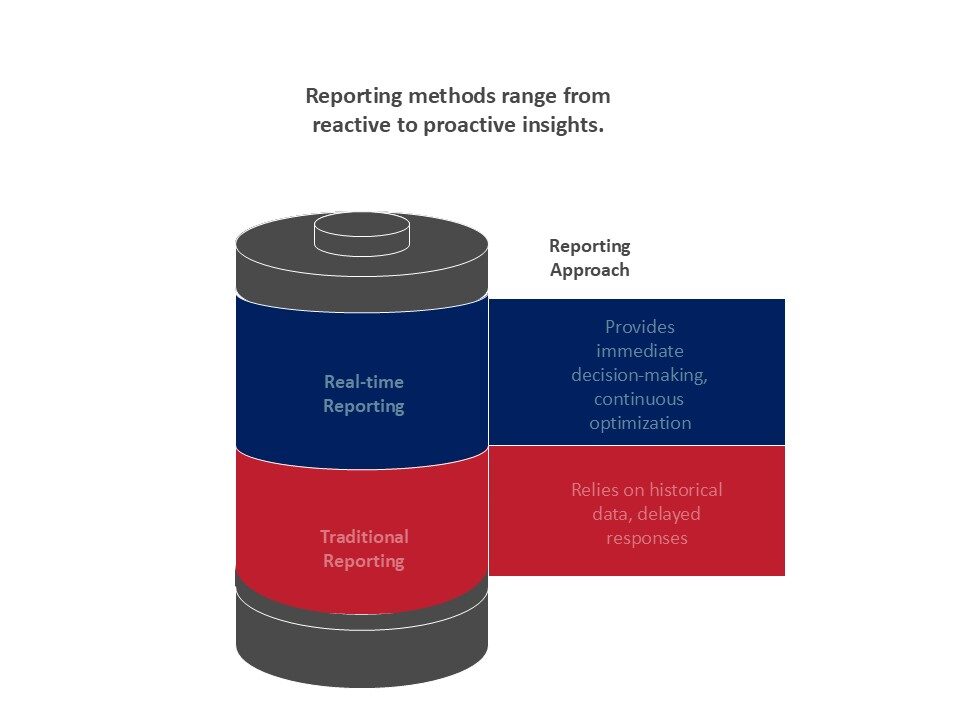
Digital marketing dashboards help you check your marketing efforts across projects and platforms, providing immediate visibility into campaign performance, budget utilization, and goal progression. Real-time monitoring enables rapid response to performance anomalies and optimization opportunities.
Multi-Channel Attribution Analysis
Modern customer journeys span multiple touchpoints and channels. Personalized dashboards provide sophisticated attribution modeling that reflects the client’s specific customer acquisition patterns and business model nuances.
Predictive Analytics and Forecasting
Beyond historical reporting, advanced personalized dashboards incorporate predictive modeling to forecast campaign performance, budget requirements, and ROI projections based on current trends and historical patterns.
Custom Alert and Notification Systems
Automated monitoring systems track performance against personalized thresholds, sending targeted alerts when metrics exceed or fall below predetermined ranges. This ensures stakeholders receive timely notifications about performance changes that require attention.
The ROI Impact of Personalized Dashboard Implementation
Organizations implementing personalized marketing dashboards typically experience significant improvements across multiple performance dimensions:
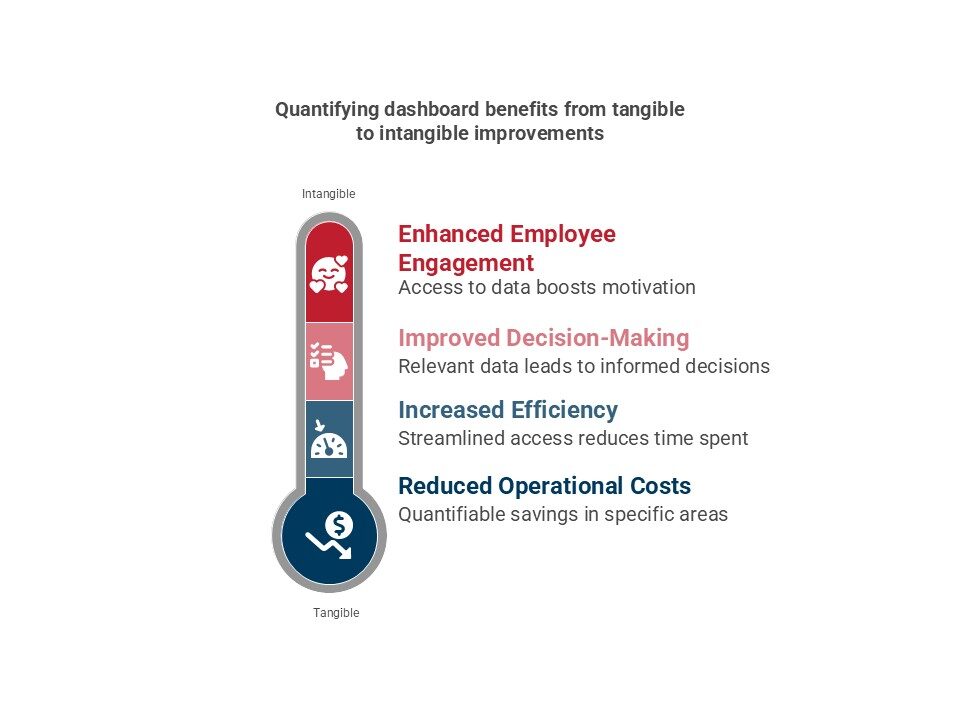
Enhanced Decision-Making Speed
Busy clients can also perform data analysis in a bird’s-eye view and make fast business decisions. By presenting relevant information in intuitive formats, personalized dashboards reduce the time required for data analysis and strategic decision-making.
Improved Marketing Performance
When marketers can quickly identify high-performing campaigns, channels, and audiences, they can reallocate resources more effectively. Data visualization in digital marketing transforms raw metrics into impactful graphics to guide decisions, leading to measurable improvements in campaign performance and resource utilization.
Increased Stakeholder Engagement
Personalized dashboards increase executive and stakeholder engagement with marketing performance data. When information is presented in formats that align with decision-making needs, stakeholders become more invested in marketing outcomes and more supportive of optimization initiatives.

Technical Architecture and Data Integration
Data Source Consolidation
Personalized dashboards aggregate data from multiple sources including advertising platforms, social media channels, email marketing systems, CRM platforms, and web analytics tools. The integration process ensures data consistency and eliminates discrepancies between platform-specific reporting.
Custom Calculation Engines
Beyond standard platform metrics, personalized dashboards include custom calculation engines that compute client-specific KPIs, blended metrics, and comparative analyses that aren’t available through standard reporting tools.
Security and Data Governance
Enterprise-grade security protocols protect sensitive marketing and business data while ensuring compliance with data privacy regulations. Role-based access controls ensure stakeholders see only relevant information while maintaining data integrity.
Scalability and Performance Optimization
As marketing operations grow and data volumes increase, personalized dashboards scale to accommodate expanding reporting requirements without performance degradation.
Implementation Methodology and Best Practices
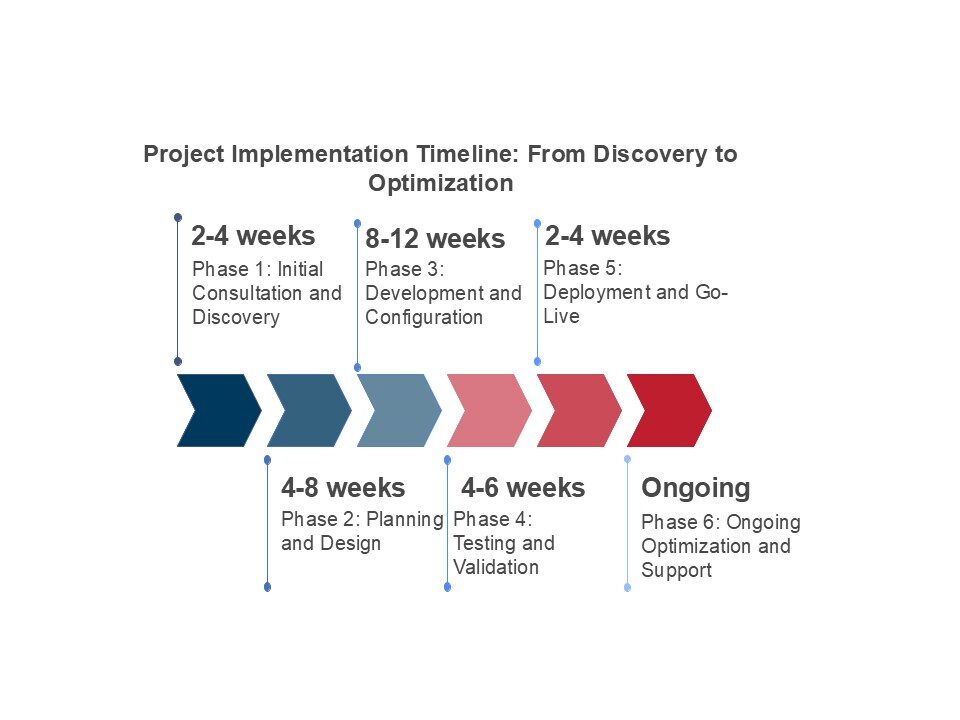
Discovery and Requirements Gathering
Successful personalized dashboard implementation begins with comprehensive stakeholder interviews and business process analysis. This phase identifies specific reporting needs, decision-making workflows, and success criteria.
Iterative Design and Development
Rather than attempting to build comprehensive dashboards immediately, effective implementation follows an iterative approach that delivers core functionality quickly and expands capabilities based on user feedback and evolving requirements.
Training and Adoption Support
Technology adoption succeeds only with proper training and change management support. Comprehensive training programs ensure stakeholders can effectively utilize dashboard capabilities and incorporate insights into their decision-making processes.
Continuous Optimization and Enhancement
Personalized dashboards require ongoing refinement based on changing business needs, new data sources, and evolving strategic priorities. Regular optimization ensures continued alignment with business objectives.
Future-Proofing Your Marketing Intelligence
The marketing technology landscape continues evolving rapidly, with artificial intelligence, machine learning, and advanced automation changing how organizations approach marketing optimization. Personalized dashboards must anticipate and adapt to these changes while maintaining their core value proposition of transforming data into actionable insights.
AI-Powered Insights and Recommendations
Advanced personalized dashboards increasingly incorporate artificial intelligence to identify optimization opportunities, predict performance trends, and recommend strategic adjustments based on historical patterns and market conditions.
Enhanced Automation and Integration
As marketing operations become more automated, personalized dashboards serve as command centers that monitor automated processes, track performance against objectives, and provide oversight for increasingly complex marketing technology stacks.
Expanded Data Sources and Attribution Models
The proliferation of marketing channels and customer touchpoints requires increasingly sophisticated attribution modeling and data integration capabilities. Personalized dashboards must evolve to incorporate new data sources while maintaining analytical integrity.
Measuring Dashboard Success and Optimization
The effectiveness of personalized marketing dashboards should be measured against specific business outcomes rather than technical specifications or feature completeness. Key success metrics include:
- Decision-making velocity: Reduction in time required to analyze performance and make strategic adjustments
- Marketing performance improvement: Measurable improvements in campaign ROI, conversion rates, and efficiency metrics
- Stakeholder engagement: Increased utilization of marketing data in strategic planning and resource allocation decisions
- Process efficiency: Reduction in manual reporting tasks and elimination of data discrepancies
Conclusion: The Strategic Imperative
In today’s competitive marketing environment, the ability to transform data into actionable insights represents a significant competitive advantage. Organizations that invest in personalized client marketing dashboards position themselves to make faster, more informed decisions while demonstrating clear ROI to stakeholders and leadership.
The question isn’t whether to implement sophisticated marketing intelligence solutions—it’s how quickly organizations can deploy personalized dashboards that align with their specific business objectives and decision-making requirements. As marketing complexity continues increasing and budget scrutiny intensifies, personalized dashboards become essential infrastructure for sustainable marketing success.
The future belongs to organizations that can harness their marketing data effectively. Personalized client marketing dashboards provide the foundation for that capability, transforming overwhelming data streams into strategic intelligence that drives measurable business outcomes.
Additional Resources:
- Firework Marketing ROI Statistics – Comprehensive statistics on marketing ROI trends and priorities
- HubSpot State of Marketing Report – Annual insights on marketing data utilization and strategy
- ThoughtSpot Data Visualization Dashboard Guide – Technical insights on dashboard implementation and benefits
- Improvado Marketing Dashboard Examples – Real-world examples and templates for effective dashboard design
This article represents current best practices in personalized marketing dashboard implementation and should be regularly updated to reflect evolving industry standards and technological capabilities.
Main: (240) 242-5650
Cell: (301) 661-4018