
In today’s hyper-competitive marketplace, understanding your customer’s journey isn’t just beneficial—it’s essential for survival. Customer Experience Mapping has emerged as one of the most powerful tools for organizations seeking to create meaningful connections with their audiences while driving measurable business results.
What is Customer Experience Mapping?
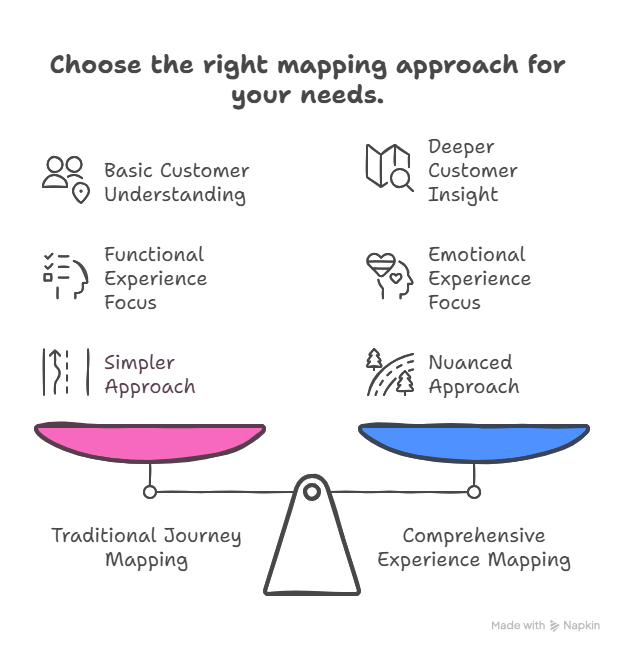
Customer Experience Mapping is a strategic process that visualizes every interaction a customer has with your brand, from initial awareness through post-purchase advocacy. Unlike traditional customer journey mapping, which focuses primarily on touchpoints, experience mapping delves deeper into the emotional, psychological, and practical dimensions of the customer relationship.
This comprehensive approach examines not just what customers do, but how they feel, what they think, and what barriers they encounter at each stage of their journey. The result is a detailed blueprint that reveals opportunities for optimization, innovation, and differentiation.
The Strategic Value of Customer Experience Mapping
Revenue Impact
Organizations that excel at customer experience demonstrate significantly stronger financial performance. Research from Forrester’s 2024 Customer Experience Index reveals that customer-obsessed organizations reported 41% faster revenue growth, 49% faster profit growth, and 51% better retention compared to their competitors. This correlation isn’t coincidental—it reflects the direct relationship between understanding customer needs and delivering solutions that drive loyalty and advocacy.
Operational Efficiency
Experience mapping reveals inefficiencies and friction points that may not be apparent through traditional analytics. Research shows that while individual touchpoints may have a 90% success rate, customer satisfaction can drop 40% over the entire journey, highlighting the importance of examining the complete experience rather than isolated interactions.
Innovation Catalyst
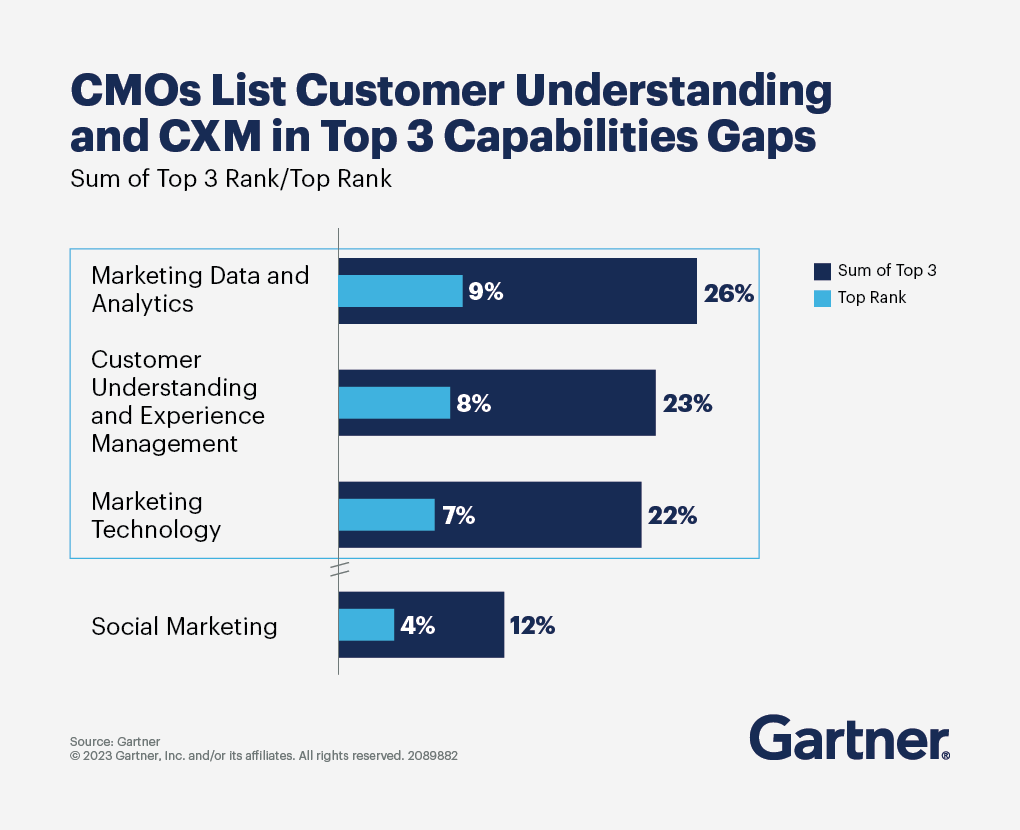
The insights derived from comprehensive experience mapping often reveal unmet needs and new market opportunities. Many breakthrough innovations have emerged from understanding the gaps between customer expectations and current market offerings.
The Experience Mapping Process: A Strategic Framework
Phase 1: Foundation and Research
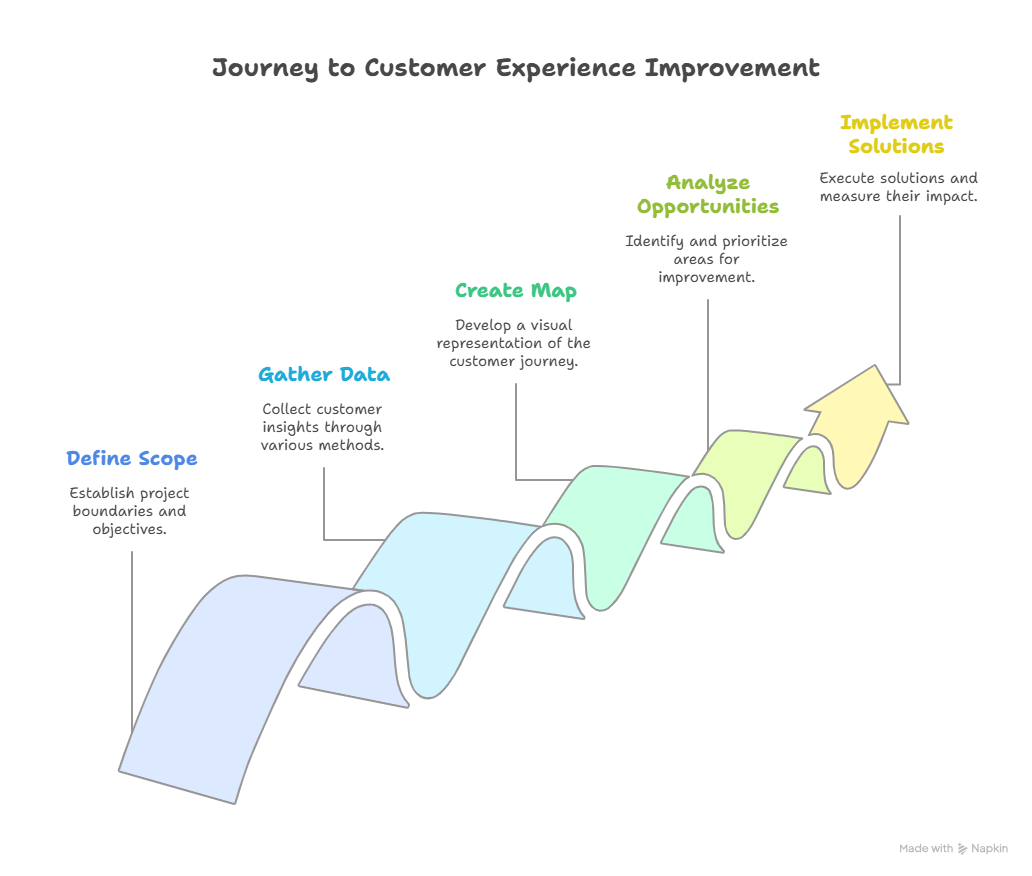
The most effective experience mapping begins with a solid foundation of customer research and business alignment. This phase involves defining clear objectives, identifying key stakeholder groups, and gathering comprehensive data about customer behaviors, motivations, and pain points.
Primary research methods include customer interviews, surveys, observational studies, and behavioral analytics. Secondary research draws from existing customer data, support tickets, social media insights, and competitive analysis. The goal is to develop a 360-degree understanding of the customer’s world, extending beyond their direct interactions with your brand.
Phase 2: Journey Architecture
With research insights in hand, the next phase involves constructing the journey architecture. This includes defining distinct customer segments or personas, mapping their unique pathways through your ecosystem, and identifying critical decision points and moments of truth.
Effective journey architecture considers multiple dimensions simultaneously: the functional journey (what customers are trying to accomplish), the emotional journey (how they feel throughout the process), and the experience journey (their perception of your brand’s performance).
Phase 3: Experience Visualization
The visualization phase transforms research insights into actionable maps and frameworks. These visual representations make complex customer dynamics accessible to stakeholders across the organization and facilitate collaborative problem-solving.
Modern experience maps incorporate multiple layers of information, including customer actions, thoughts, emotions, pain points, opportunities, and supporting evidence. The most effective visualizations balance comprehensiveness with clarity, ensuring that key insights don’t get lost in complexity.
Phase 4: Gap Analysis and Opportunity Identification
This critical phase involves analyzing the current state against desired future states and identifying specific opportunities for improvement. Gap analysis examines both quantitative metrics (conversion rates, time-to-completion, error rates) and qualitative factors (satisfaction, effort, emotional response).
Priority opportunities are typically those that offer the highest impact relative to implementation complexity, though strategic considerations may elevate certain initiatives regardless of short-term ROI.
Phase 5: Implementation Roadmap
The final phase translates insights into action through the development of a prioritized implementation roadmap. This includes specific recommendations, success metrics, resource requirements, and timeline considerations.
Effective roadmaps balance quick wins that demonstrate immediate value with longer-term strategic initiatives that drive sustainable competitive advantage.
Common Challenges and How to Overcome Them
Organizational Silos
One of the most significant barriers to successful experience mapping is organizational fragmentation. Customer experiences span multiple departments, but companies often lack the cross-functional collaboration necessary for holistic improvement.
The solution involves establishing clear governance structures, shared metrics, and regular cross-functional review processes. Executive sponsorship is crucial for breaking down departmental barriers and ensuring customer-centric decision making.
Data Integration Complexity
Modern customers interact with brands across numerous channels and platforms, creating a complex web of data sources that must be integrated for comprehensive understanding. Technical and organizational challenges often prevent companies from achieving the single view of the customer necessary for effective experience mapping.
Success requires both technological solutions (customer data platforms, analytics integration) and organizational capabilities (data governance, privacy compliance, analytical expertise)
Sustaining Momentum
Many organizations struggle to maintain focus on experience improvement after the initial mapping exercise. Without ongoing measurement and optimization, insights quickly become outdated and opportunities are missed.
Sustainable programs embed experience metrics into regular business reviews, establish continuous feedback loops, and create accountability mechanisms that ensure customer experience remains a strategic priority.
Measuring Success: Key Performance Indicators
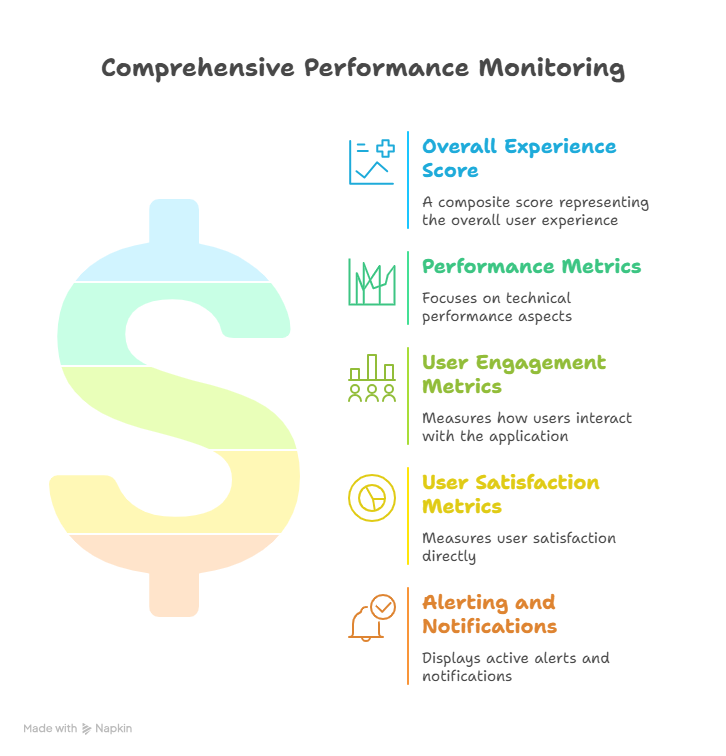
Effective experience mapping programs require robust measurement frameworks that track both customer outcomes and business results. Leading indicators might include customer effort scores, emotional sentiment, and completion rates, while lagging indicators focus on retention, lifetime value, and advocacy.
The most sophisticated measurement approaches combine quantitative metrics with qualitative insights, creating a comprehensive view of experience effectiveness. Regular measurement cycles enable continuous optimization and demonstrate the ongoing value of experience investments.
The Future of Customer Experience Mapping
As technology continues to evolve, experience mapping is becoming more sophisticated and real-time. Artificial intelligence and machine learning are enabling predictive experience modeling, while advanced analytics platforms provide deeper insights into customer behavior patterns. For example, improving customer experience by just one point can drive over $1 billion in additional revenue for large organizations in certain industries.
Getting Started: Next Steps for Your Organization
Implementing an effective customer experience mapping program requires careful planning and sustained commitment. The most successful initiatives begin with clear business objectives, strong executive support, and a willingness to act on insights.
Consider starting with a focused pilot project that addresses a specific customer segment or journey portion. This approach allows you to demonstrate value, refine your methodology, and build organizational capabilities before scaling to more comprehensive initiatives.
The investment in customer experience mapping pays dividends far beyond improved customer satisfaction. Organizations that truly understand their customers’ experiences are better equipped to innovate, compete, and grow in an increasingly customer-centric marketplace.
